
"Java blend"
700 article(s) found

What kind of mocha Java coffee is it? What's the flavor of mocha Java coffee? Mochajava
Mocha Java coffee is also known as Arab mocha Java coffee. It's a blend of Yemeni mocha coffee and Indonesian Java Arabica coffee. Mocha Java Coffee is considered to be the oldest blended coffee in the world, combining two of the best quality coffee beans and complementary taste features. The lively intensity and pleasant wildness of the Yemeni mocha are the cleanliness and bright smoothness of Java coffee.

Coffee bean blending ratio caffeine smell
Coffee bean mix ratio Brazil 3.5 Mantenin 1 Java 2 Colombia 2 mocha 1.5 sweet bitter alcohol comprehensive hot coffee Brazil 2 mocha 1.5 Java 3.5 Colombia 2 sweet bitter acid comprehensive iced coffee Mantenin 2 Colombia 2 Java 2.5 Netherlands 1 mocha 1.5 mellow bitter carbon roasted coffee Colombia 2 Mantenin 1.5

What kind of coffee is suitable for Italian blending with coffee beans from Sumatran coffee producing areas
What kind of coffee is suitable for Italian matching of coffee beans in Sumatra coffee producing area: Sulawesi Coffee Sulawesi Island, formerly known as Celebes Celebes, so Sulawesi Coffee is also called Celebes Coffee Celebes Coffee. The most famous is Toraga, or Tonaga, Toraja. Toraja coffee is produced in Sout, South Sulawesi Province.

The best coffee in the world
Drip coffee blend: mocha-java coffee, one can't help but think, blend coffee and home coffee as old. The thick, average Java coffee was combined with the moderate, fruity, more acidic Mocha coffee, the only two coffees available at the time. Is mixing these two coffees just a habit? or because it

On the basis of coffee bean blending
Acid beans are mainly in Brazil 40%, Colombia 30%, Mocha 30%, Brazil 30%, Mocha 30%, Brazil 30%, Colombia 30% Brazil 50%, Colombia 50%, Colombia 30%, Java 20% bitter beans mainly Brazil 40%, Java 20%, Colombia 20% Mocha 30%, Brazil 30%, Colombia 20%, Colombia 20%, Java

Italian coffee bean mix coffee mix formula proportion Italian coffee bean brand
The blending of drip filter coffee: mocha-Java coffee, people can't help thinking that blended coffee is as old as home-made coffee. Thick-tasting, average-quality Java coffee combined with moderate, floral, more acidic mocha coffee, which was the only two kinds of coffee at the time. Is it just a habit to mix these two kinds of coffee together? Or is it because of this?
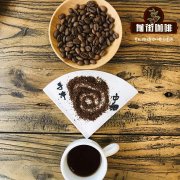
What kind of coffee is Moka Java, Yemen, one of the earliest blends in the world?
Professional coffee knowledge exchange more coffee bean information please follow the coffee workshop (Wechat official account cafe_style) Yemeni coffee Yemen coffee lovers must know that coffee was first found in Ethiopia in Africa, but the real development of coffee is in Yemen. Around the beginning of the 17th century, the port of Mocha in Yemen was a thriving trading port.

Boutique coffee beans knowledge coffee bean blending basis
Acid beans are mainly in Brazil 40%, Colombia 30%, Mocha 30%, Brazil 30%, Mocha 30%, Brazil 30%, Colombia 30% Brazil 50%, Colombia 50%, Colombia 30%, Java 20% bitter beans mainly Brazil 40%, Java 20%, Colombia 20% Mocha 30%, Brazil 30%, Colombia 20%, Colombia 20%, Java

Italian coffee blending experience, drip coffee blending, decaf coffee how to mix?
The blending experience of Italian coffee, the blending of dripping coffee, the blending of decaf coffee: the most helpless blend of Melange coffee is the blending of Vienna coffee (Vienna Coffee). The beans in this blended coffee are roasted to different degrees, so each kind of coffee has to be roasted independently. Especially if you want to have the carbon in deep baking at the same time, and more
What will be the flavor of the same kind of coffee with different degrees of roasting?
40 per cent of city-baked Kenyan coffee, or bright Central American coffee, uses balanced, moderately sour, good-tasting Central American coffee, and can also mix the same coffee with different roasting degrees; 60 per cent of city-wide roasted Colombian Tuluni, or Nicaraguan La Illusion coffee. 40% of the same kind of coffee baked in the city (baked to

Italian bikini with coffee slimming coffee espresso with beans
The blending of several kinds of noodle coffee has the unique taste of deep baking, good taste, and proper sour taste. 1. 40% of the city-wide roasted Colombian Tuluni coffee-for better taste (it can also be other Colombian coffee, Nicaraguan La Illusion, or Brazilian Monte Carmelo coffee) 20% or 30% French roasted coffee

Introduction to the blending methods of all kinds of coffee
1. 40% of the city-wide roasted Colombian Tuluni coffee-for better taste (it can also be other Colombian coffee, Nicaraguan La Illusion, or Brazilian Monte Carmelo coffee) 2. 30% French roasted Mexican Tres Flechas coffee-clear, charred (or other Mexican coffee) 30% or 30% of the city

Coffee blending Commercial Coffee blending introduction to the blending of fine coffee beans
The following coffees are blended with deep-roasted flavor, good taste, and proper acidity. 1. 40% of the city-wide roasted Colombian Tuluni coffee-for better taste (it can also be other Colombian coffee, Nicaragua's La Illusion, or Brazil's Monte Carmelo coffee) 20%, 30% of the French roasted Mexican Tres

Indonesian Java Coffee Java planting History Development Story is Java Coffee good?
Professional coffee knowledge exchange more information about coffee beans Please follow the coffee workshop (Wechat official account cafe_style) Java coffee was brought to Indonesia by the Dutch in about 1696 and has been cultivated for more than 300 years. 85% of Java coffee is produced in complex volcanoes near Ijen in the east of Java. The range of height suitable for coffee production is 3000 to 6000.

Introduction to the blending of coffee beans with the unique flavor of deep baking
The following coffees are blended with deep-roasted flavor, good taste, and proper acidity. 1. 40% of the city-wide roasted Colombian Tuluni coffee-for better taste (it can also be other Colombian coffee, Nicaragua's La Illusion, or Brazil's Monte Carmelo coffee) 20%, 30% of the French roasted Mexican Tres

The blending method and taste of coffee introduce the famous baristas in China
1. 40% of the city-wide roasted Colombian Tuluni coffee-for better taste (it can also be other Colombian coffee, Nicaraguan La Illusion, or Brazilian Monte Carmelo coffee) 2. 30% French roasted Mexican Tres Flechas coffee-clear, charred (or other Mexican coffee) 30% or 30% of the city

Coffee blending basic low-roasted coffee can be mixed with high-roasted coffee
1. 40% of the city-wide roasted Colombian Tuluni coffee-for better taste (it can also be other Colombian coffee, Nicaraguan La Illusion, or Brazilian Monte Carmelo coffee) 2. 30% French roasted Mexican Tres Flechas coffee-clear, charred (or other Mexican coffee) 30% or 30% of the city

Introduction of high-quality coffee beans in Java coffee flavor and taste producing area
Java coffee is famous in the early years, which refers to Arabica coffee formerly grown on the island of Java. It has a strong aroma, low acidity, taste lubrication, combined with mocha coffee, the Java mocha mixed coffee has been popular and has become synonymous with top coffee. At that time, Java coffee sold to Europe was a very special kind of coffee.

For a cup of coffee that always tastes the same, blue bottle coffee founder: blended coffee
The main reason we mix a cup of coffee that always tastes the same is to get a sustained and delicious flavor. The first coffee mix is mocha Java, the wine-like, bright flavor of Yemeni coffee (shipped to the United States via the Red Sea from the ports of Mecca and Mocha), paired with the thick flavor of Java coffee beans from a Dutch company in Indonesia. ▲ domestic tea is also often imported.

A brief introduction to the Market Price of Fine Coffee Bean varieties in Fuyin Manor
Later, when the ship replaced the sailboat, due to the shortened delivery time, people drank relatively fresh coffee beans. But people who are used to drinking Chen beans are not used to the fresh taste, so they desperately pursue old Java coffee, so that the Indonesian government and some businessmen deliberately store fresh beans in warehouses for one or two years and then sell them to consumers. In fact, compared with fresh beans, aged beans